Buying a Home in Kyle, TX? Why Two Similar Houses Can Have Very Different Tax Bills (PIDs, MUDs & Homestead, 2026)
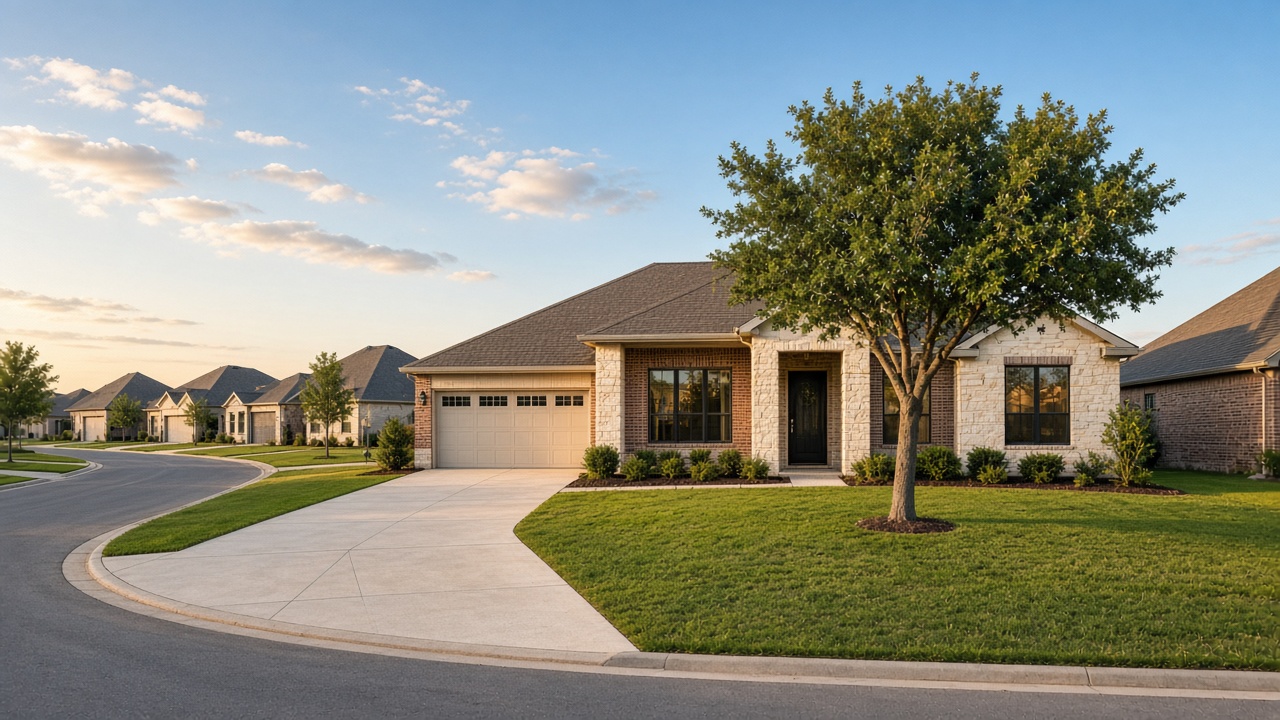
Kyle has been one of the busiest places to buy a home along the I-35 corridor between Austin and San Marcos, and it's easy to see why. You get newer neighborhoods, a growing list of shops and restaurants, and a commute that works in either direction.
But here's something I see trip up buyers in Kyle more than almost anywhere else: two houses with nearly the same price, size, and finishes can come with very different yearly costs. The difference usually isn't the house. It's what's attached to the land underneath it. Before you compare monthly payments, here's what I want every Kyle buyer to know.
Start with the base tax rate
Most homes inside Kyle city limits pay taxes to a few core entities: the City of Kyle, Hays County, and the school district (often Hays CISD), plus a few smaller districts like emergency services. Hays Central Appraisal District's 2025 rate list showed the City of Kyle at about $0.5957 per $100 of value, Hays County at about $0.3573, and Hays CISD at about $1.1546.
Rates are reset every year, so treat those as a starting point, not a quote. The point is that the "base" is the same for many Kyle homes. The difference shows up in the extras.
Extra #1: Public Improvement Districts (PIDs)
A lot of Kyle's newer neighborhoods were built using a Public Improvement District. The city borrows money to build roads, water lines, drainage, and other infrastructure, and the homes inside the district repay it through an assessment that shows up on the tax bill each year.
To give you a real example, the City of Kyle's 2026 plan for the 6 Creeks PID lists a principal assessment of about $25,917 for a 50-foot lot in Improvement Area #1, with an average annual installment of about $2,253. Bigger lot types in that district carry bigger assessments.
A few things to know about PIDs:
- The assessment stays with the property. If the seller hasn't paid it off, you take it over.
- It can usually be paid off early. The buyer notice says the assessment "may be paid in full at any time." Some buyers ask the seller for a credit toward it.
- Annual installments can change. Kyle City Council approves each year's installment amount in an annual update.
- You'll get a written notice. Texas Property Code Section 5.014 requires sellers to give buyers a PID notice. Read it. Don't just sign it.
Extra #2: Municipal Utility Districts (MUDs)
Some homes in and around Kyle, especially those just outside city limits or in certain master-planned communities, sit inside a Municipal Utility District. A MUD is its own taxing district that pays for water, sewer, and drainage, and it charges a tax rate on top of everything else.
On the Hays CAD 2025 list, several MUDs in Hays County had rates between about $0.75 and $0.95 per $100 of value. On a $350,000 home, an extra $0.90 rate works out to roughly $3,150 a year, or around $260 a month. That's real money, and it belongs in your budget from day one.
Like PIDs, MUDs come with a required seller notice. If a home is in one, we'll find out early.
Extra #3: HOA dues
Most Kyle subdivisions also have an HOA. Dues aren't taxes, but they hit your monthly budget the same way. Ask what they cover (pool, trails, common areas), whether there's a transfer fee at closing, and whether any special assessments are planned.
The good news: your homestead exemption
If the Kyle home will be your primary residence, file for your homestead exemption with Hays CAD. It's free, and it can make a big difference:
- Texas school districts, including Hays CISD, must give a $140,000 homestead exemption off your home's taxable value.
- On Hays CAD's 2025 list, the City of Kyle offered a 20% local homestead exemption (with a minimum and cap), and Hays County offered 1% (minimum $5,000).
- Homeowners 65 or older, or with a disability, get additional exemptions.
The regular deadline is April 30 of the year you're claiming it, but a late application can generally be filed up to two years later. You'll need a Texas driver's license or ID showing the new address.
One honest note: PID assessments and most MUD taxes don't shrink the same way when you file a homestead, so the extras matter even more when you're comparing homes.
How I help Kyle buyers compare apples to apples
When I'm helping someone choose between homes in Kyle, I build a simple side-by-side for each one:
1. Base taxes (city, county, school) using the latest rates
2. Any PID: remaining principal, this year's installment, and the payoff amount
3. Any MUD: the current rate and what it adds per month
4. HOA dues and transfer fees
5. Estimated savings after your homestead exemption
Sometimes the house that looked $10,000 cheaper ends up costing more every month. Sometimes the pricier house in a neighborhood with no PID is the better buy. You can't tell until you run the numbers.
Selling in Kyle? This matters for you too
If you're selling a home inside a PID or MUD, buyers and their lenders will see it. Having the payoff figure, the current installment, and your HOA details ready before you list helps you price with confidence and answer questions quickly. That makes for a smoother contract.
Let's run the numbers together
If you're thinking about buying or selling in Kyle, I'm happy to walk you through the real costs for any home you're considering. No pressure, just clear numbers so you can make the right decision for your family.
Tax rates, exemptions, and assessment amounts change every year. Figures here come from Hays Central Appraisal District's 2025 rate list, the Texas Comptroller, and the City of Kyle's 2026 6 Creeks PID plan. Always confirm current amounts for a specific property before you buy.
Destini Evans
Realtor® · MAG Real Estate LLC · New Braunfels, TX
Helping families find their perfect home in Texas Hill Country. Whether you're buying, selling, or investing — I'm here to guide you every step of the way.