Buying a Home in San Marcos for Your Texas State Student? What Parents Should Know in 2026
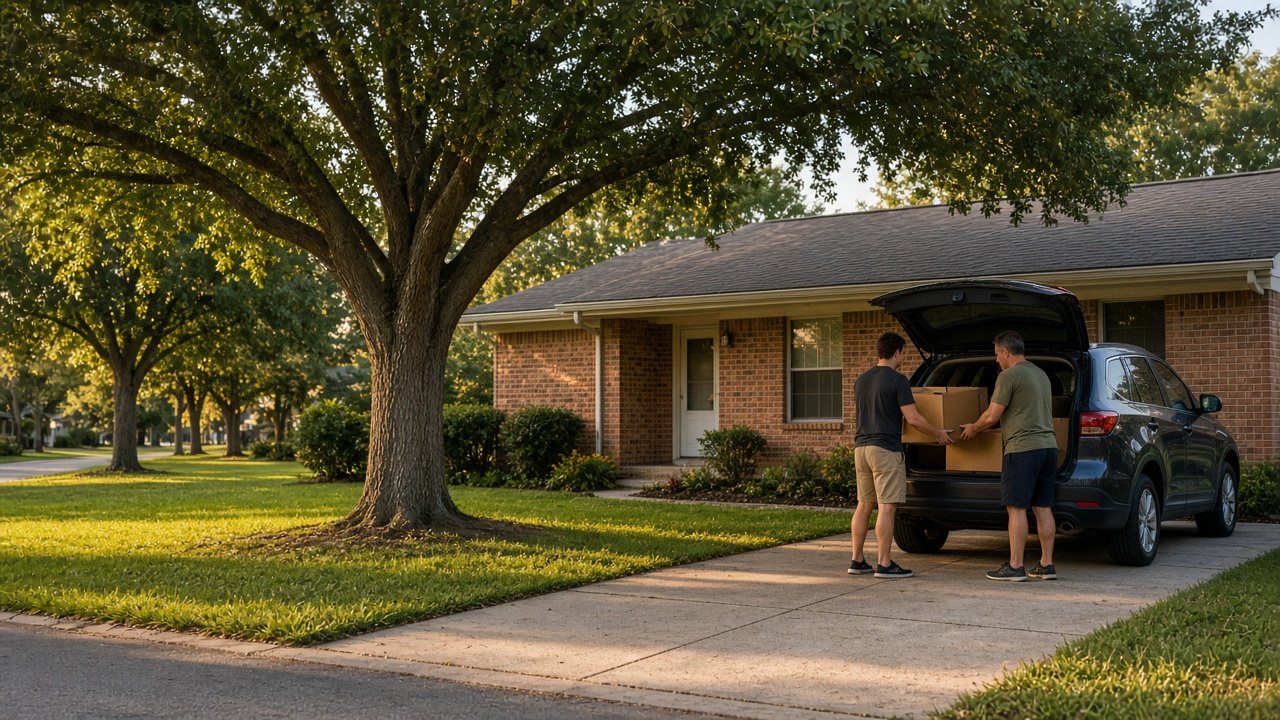
Every year I talk with parents who've just added up four years of San Marcos rent and thought, "Wouldn't we be better off owning something?" Sometimes the answer is yes. Your student gets a stable place to live, roommates can help cover the payment, and you may end up with a property you can keep as a rental or sell after graduation.
But buying near Texas State isn't quite like buying a regular family home. San Marcos has its own rules about who can live in a house, and the way you finance and title the property matters. Here's what I walk parents through before we start touring.
1. Know the occupancy limit before you count bedrooms
This is the one that catches people. San Marcos limits how many unrelated people can live together in many single-family zoning districts. In 2023, City Council raised that limit from two unrelated people to three. Under the city's Development Code, the property owner (and any agent acting for them) is responsible for compliance.
So a four- or five-bedroom house doesn't automatically mean four or five paying roommates. Before you fall in love with a floor plan, we'll check the property's zoning and confirm the current rule with the City of San Marcos, because the code does get updated. Some areas near campus are zoned for higher density, and that can change the math completely.
2. Plan to register the property as a rental
If anyone other than the owner lives in the home for more than 30 days, the City of San Marcos requires the rental to be registered. When a parent buys and a student lives there, the student usually isn't the owner on title, so plan on registering, especially if roommates are paying rent. It's a simple step, and it keeps you on the right side of the city from day one.
3. Check the HOA or condo rules, too
Many of the condos and townhomes close to campus have their own rules about leasing, minimum lease terms, parking, and how many vehicles can be at each unit. Those rules can be stricter than the city's. I always pull the HOA documents early so there are no surprises after you've moved your student in.
4. Talk to a lender about how this purchase is classified
How a loan is classified (primary residence, second home, or investment property) affects your down payment, rate, and what you're allowed to do with the home. A house you buy for your student, especially one with paying roommates, often won't count as your own primary residence. Be upfront with your lender about how the home will be used. Choosing the wrong loan type isn't a shortcut you want to take.
Some parents co-sign or co-own with their student. Others buy in their own names or through an entity. Each option has trade-offs for liability, taxes, and credit, so it's worth a quick conversation with your lender and your CPA before you write an offer.
5. Don't count on the homestead exemption
In Texas, the homestead exemption is for a home that's the owner's principal residence. If you live in Houston or Dallas and your student lives in the San Marcos house, that house generally won't qualify as your homestead. Budget for property taxes without the exemption. Hays Central Appraisal District can answer questions about a specific property.
6. Pick a location your student will actually like
Walkability to campus is great, but it's not the only thing that matters. I look at:
- Getting to campus: walking or biking distance, shuttle access, and parking (parking on campus is its own adventure).
- Noise and neighbors: some streets are mostly students, and others are quieter, established neighborhoods where long-time residents expect it to stay that way.
- Flood risk: parts of San Marcos sit near the San Marcos and Blanco Rivers and other creeks. We'll check the FEMA flood map and ask about flood history before you commit.
- Resale: a home that would also appeal to a young professional or a family has more exit options later.
7. Have a plan for after graduation
Four years goes by fast. Before you buy, think about what you'll do when your student moves out:
- Keep it as a rental. San Marcos has steady rental demand from students and from people working along the I-35 corridor. Just make sure the numbers work under the occupancy limit.
- Sell it. If you plan to sell, factor in closing costs and possible capital gains, since an investment property doesn't get the same tax treatment as your own home.
- Let your student buy it from you. Some graduates stay in the area and take over the house.
Is buying better than renting?
Sometimes. It depends on the price, your down payment, interest rates, how long your student will be there, and how many roommates the property can legally hold. I'm happy to run real numbers on a few homes with you so you can compare them side by side with what you'd pay in rent.
If you're a parent thinking about buying in San Marcos, or you already own a place near Texas State and you're wondering whether to sell or keep it after graduation, reach out. I'll help you sort out the local rules and find a place that makes sense for your family.
This article is general information and isn't legal, tax, or lending advice. Occupancy limits and city rules can change, so always confirm current requirements with the City of San Marcos and talk to your lender and tax professional about your own situation.
Destini Evans
Realtor® · MAG Real Estate LLC · New Braunfels, TX
Helping families find their perfect home in Texas Hill Country. Whether you're buying, selling, or investing — I'm here to guide you every step of the way.