Buying a Home in Wimberley, TX? What to Know About Septic Systems and Well Water Before You Make an Offer (2026)
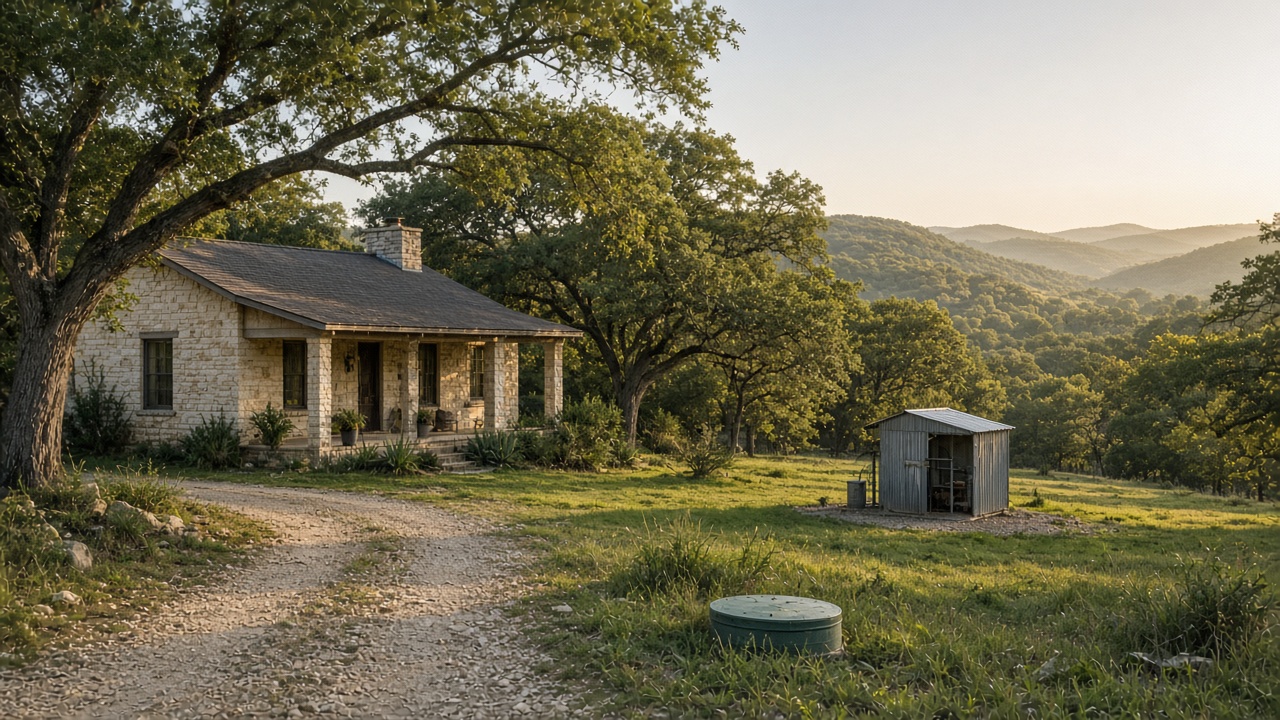
Wimberley is one of those places people fall for on the first drive in. Cypress Creek, the Blanco River, the square, the live oaks, the room to breathe. A lot of the homes I show around Wimberley sit on an acre or more, and many of them come with something buyers from the city haven't owned before: a septic system, a private water well, or both.
Neither one is a reason to walk away. Plenty of Wimberley homeowners have used them happily for decades. But they work differently from city utilities, and you want to understand what you're buying before your option period runs out. Here's what I walk my Wimberley buyers through.
First, find out what the house actually has
Don't assume. Within the same few miles around Wimberley you'll find homes on a water supply company, homes on a private well, homes on a shared well, and homes with a mix (like utility water for the house and a well for irrigation). Sewer is the same story: some properties connect to a central system, but many rely on an on-site septic system.
The seller's disclosure should tell you, but I like to confirm it early with the listing agent so we can plan the right inspections before we write the offer.
Septic systems: what to ask for
In Hays County, septic systems are called On-Site Sewage Facilities (OSSF), and the county permits them. Hays County says a permit is required for every OSSF regardless of lot size, and the City of Wimberley notes that septic permitting now goes through Hays County.
1. Get the permit file. Hays County doesn't offer a public online septic lookup. To get the records for an existing system, you file an open records request with the county. The file can show whether the system is conventional or aerobic, the tank size, a drawing of where the tank and drain field are, and when it was installed. You can also reach the county's OSSF team at 512-393-2150 (option 3).
Start this request as soon as you're under contract, or even before, since the county has up to 10 business days to respond. If an older home has no file at all, that's not unusual and doesn't automatically mean a problem. It just means the inspection matters even more.
2. Know if it's aerobic. Many Hill Country homes have aerobic systems (you'll often see sprinkler heads in the yard that spray treated water). Hays County requires ongoing maintenance for all aerobic and advanced treatment systems. Ask the seller for the current maintenance contract and recent service reports, and plan for that ongoing cost in your budget.
3. Order a septic inspection. A general home inspection usually doesn't cover the septic system in depth. I recommend a separate inspection by a licensed septic professional during your option period. Ask when the tank was last pumped, too.
4. Think about your plans. If you're hoping to add a bedroom, a guest house, or a pool, the size and location of the septic system can limit what's possible. It's much easier to learn that now than after closing.
Private wells: what to ask for
Most of the Wimberley area falls within the Hays Trinity Groundwater Conservation District, which oversees wells in northern Hays County (you can check the district map at haysgroundwater.com).
1. Registration. The district requires all well owners to register their wells. A well used only for a single household's domestic use, and not able to produce more than 25,000 gallons a day, is exempt from needing an operating permit, but it still needs to be registered. If a well is part of a home sale, the district's forms note that the new owner must register the ownership change within 60 days. Put that on your post-closing to-do list.
2. Water quality testing. Unlike city water, nobody tests a private well for you. During your option period, have the water tested, at minimum for bacteria, and talk with your inspector about what else makes sense for that property.
3. Well and equipment inspection. Ask about the well's age, depth, and production if the seller has records, and have someone look at the pump, pressure tank, and any filtration or softening equipment. Hill Country water can be hard, and that equipment has a lifespan.
4. Drought awareness. The Trinity Aquifer is affected by drought, and the groundwater district publishes drought stages. It's worth asking the seller whether the well has ever had issues in dry summers and looking at what the neighbors' experience has been.
How this fits into your offer
Here's the simple way I think about it:
- Before the offer: Confirm water and wastewater type, request the septic permit file, and ask for maintenance contracts and well records.
- During the option period: Home inspection, septic inspection, well/water testing. Give yourself enough option days to schedule all three, since specialists in the Wimberley area can book up.
- If something comes back: Repairs, a credit, or a price adjustment are all fair conversations. Septic and well issues are usually fixable, but they can be expensive, so you want the facts before your option period ends.
- After closing: Register the well ownership change, keep the aerobic maintenance contract current, and save every record in one folder for the day you sell.
Selling a Wimberley home with septic or a well?
Sellers, the same list works in reverse. Gathering your permit file, recent pumping or service receipts, your maintenance contract, and any well records before you list makes buyers feel confident and can help avoid a renegotiation after inspections.
Let's find the right Wimberley home together
Septic and well water are part of what makes Hill Country living feel like Hill Country living. With the right questions and inspections, they're nothing to be nervous about. If you're thinking about buying or selling in Wimberley, I'd love to help you sort through the details and find a home that fits the way you want to live.
This article is general information, not legal, engineering, or environmental advice. Rules and procedures can change, so always confirm current requirements with Hays County, the Hays Trinity Groundwater Conservation District, and licensed inspectors.
Destini Evans
Realtor® · MAG Real Estate LLC · New Braunfels, TX
Helping families find their perfect home in Texas Hill Country. Whether you're buying, selling, or investing — I'm here to guide you every step of the way.